


 Jan Virt
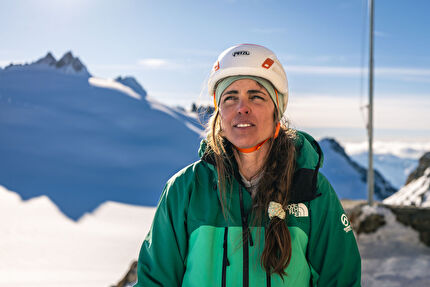
La Muse du Trient established on Tête Biselx by Fay Manners, Ella Wright

 Copia link
 1 / 27Jan Virt
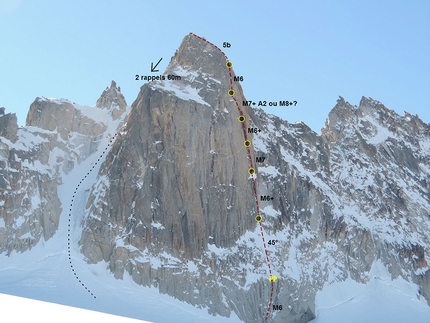
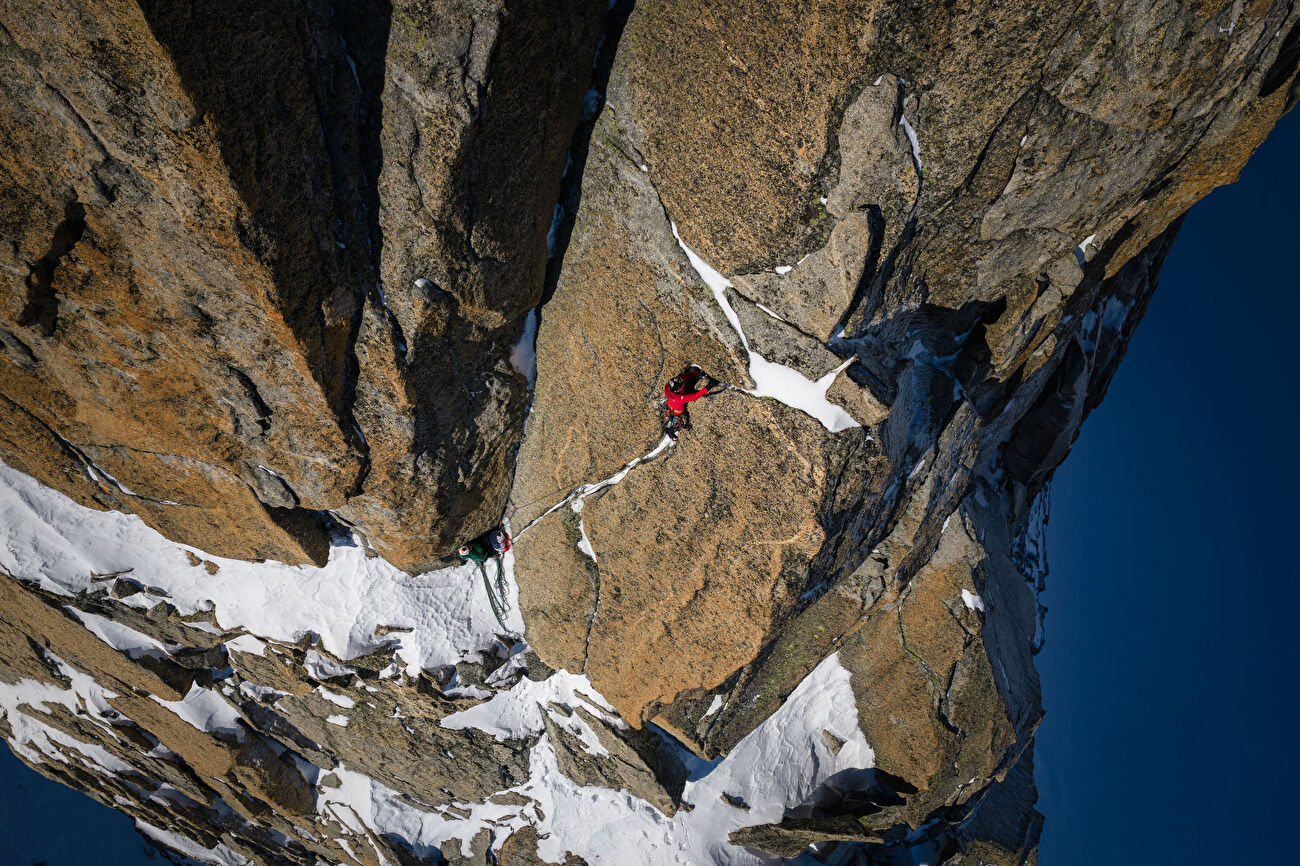
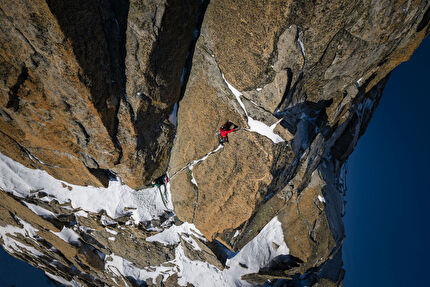
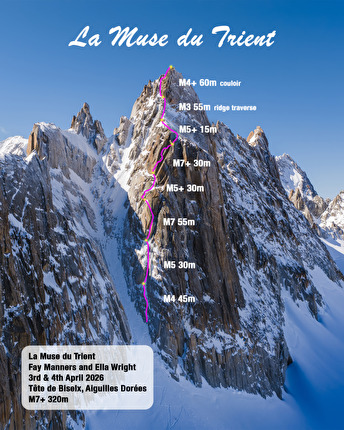
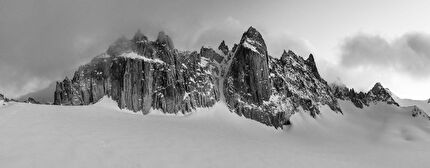
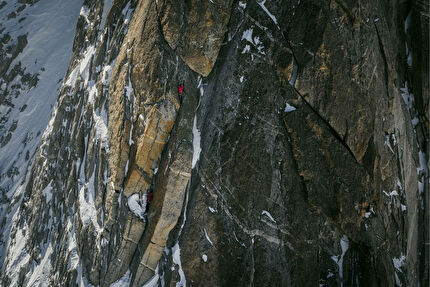
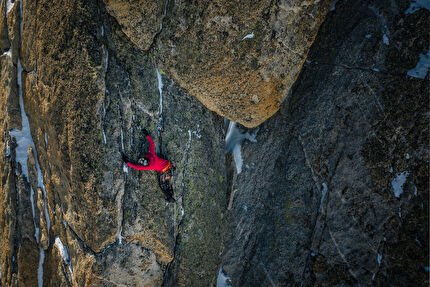
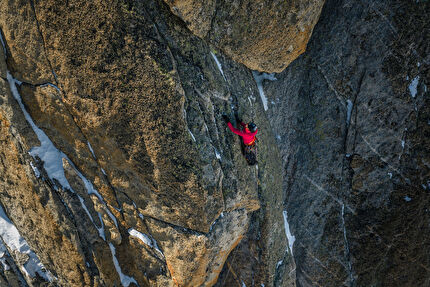
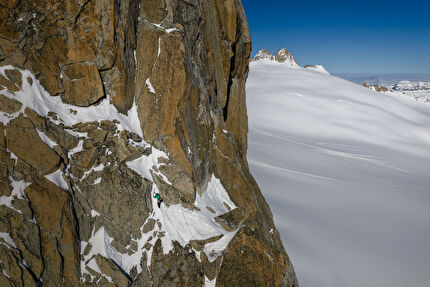
On 3–4 April 2026, Fay Manners and Ella Wright made the first ascent of La Muse du Trient (M7, 250m), a new mixed route on the NNE face of Tête de Biselx in the Mont Blanc massif, high above the Trient Plateau on the Swiss side.
The idea came in April 2024 during a ski tour from Chamonix to the plateau via the Col du Chardonnet and Fenêtre de Saleinaz. After abandoning an attempt on the Fynn–Biselx Couloir due to poor snow, Manners skied the Copt Couloir and studied the north face. Research later showed only two mixed routes existed on this face, both established fairly recently: Full Dry for Love (Chatelan & Pache, April 2016) and Misantrhopie I-conique (Chatelan solo, April 2017).
Historical research added depth. In July 1972, Jean Troillet established a route on this face under very different conditions: the couloir was still snow-filled, temperatures cooler, and the glacier sat significantly higher—placing the base of routes more than 50 metres above its current start. Today, a July ascent would be threatened by rockfall and dry, unstable ground.
These changes pointed to a different approach: a modern mixed line climbed in late winter or early spring, when the couloir is still in condition and the face lends itself to continuous climbing with ice tools and crampons from bottom to top.
No all-female team had opened a route on this face, neither rock nor mixed, and such ascents remain rare in the region. Ella Wright was in Chamonix; they decided to try it together. The pair were also determined to respect the mountain's ethics. The granite offered natural protection cracks, flakes, and constrictions, making a bolt-free ascent both possible and meaningful.
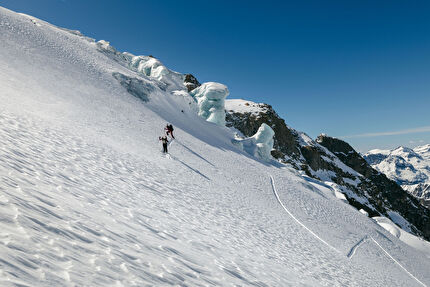
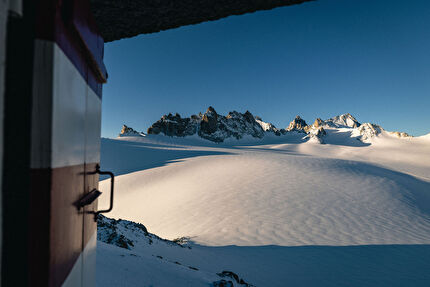
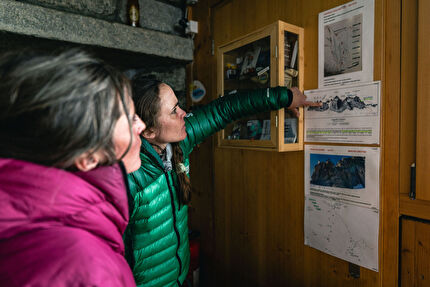
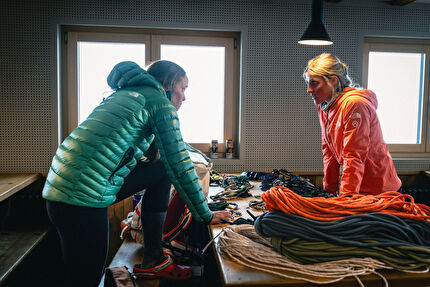
On 2 April, Manners and Wright approached the Cabane du Trient. The next day they studied the granite walls, searching for a logical and aesthetic line, wanting it to finish on the ridge rather than traversing out across slabs.
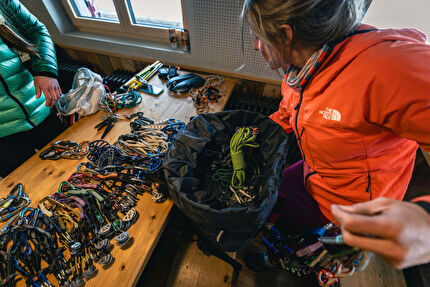
They climbed over two days: three pitches on the first, fixing ropes to natural anchors before descending. On the second day they continued into sustained and varied terrain. Two distinct crux pitches, both around M7, defined the technical and demanding difficulty.
The face carries subtle traces of the past. Near the Copt Couloir, old cordelettes looped around flakes hinted at decades of retreat and improvisation – the only signs of previous climbers the pair encountered.
They named the route La Muse du Trient, reflecting the creative process behind the ascent and a subtle feminine presence: an acknowledgment of inspiration, intuition, and collaborative energy. The line reads both past and present, understanding how conditions have shifted, while creating something elegant and accessible on a mountain of striking beauty.




 See all photos