


 Planetmountain
Luxury hotel project in Italy's Stelvio National Park comes under fire

 Copia link
 1 / 3Planetmountain
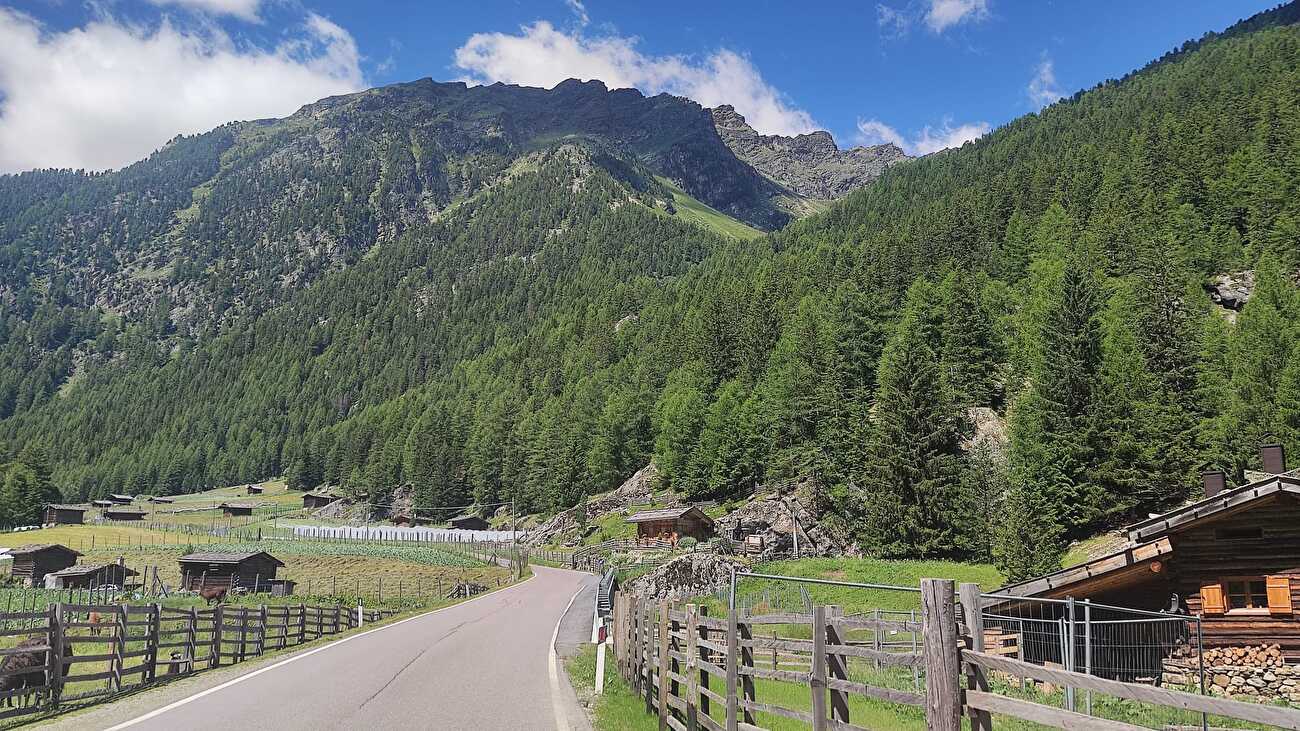
A group of environmental and alpine organisations in South Tyrol, Italy, has raised serious concerns about a planned hotel project at Gallenmahd high up in the Martell Valley. The proposal, which includes a four-star hotel with up to 140 beds, would be built at an altitude of over 1,600 metres within the Stelvio National Park – in an untouched area of outstanding natural beauty, currently far removed from the phenomenon of overtourism.
The organisations involved in the opposition include the CAI, Mountain Wilderness, WWF, LIPU, Legambiente, the umbrella association for nature and environmental protection, and the South Tyrolean Heritage Association. According to their joint statement, the project would result in major environmental damage: over 6,000 square metres of soil sealing, increased traffic volumes, disruption to the local water balance and biodiversity, and significant alterations to the landscape. A particularly critical aspect is the planned clearing of around six hectares of forest to construct an avalanche protection barriers – a measure that would itself constitute a massive intervention in nature and is necessary only to make the hotel project feasible in the first place.
The project is also located in an area with very high avalanche risk, raising further questions about its safety and sustainability. The organisations point out that logging operations for the avalanche barrier have already begun, even though fundamental questions about the overall project's approval are still unresolved. This, they argue, shows a lack of due process and a disregard for environmental standards.
The organisations see the project as part of a broader trend in South Tyrol's tourism policy. Despite repeated promises by regional authorities to introduce a "bed stop" (Bettenstopp) – a cap on tourist accommodation – new tourism zones continue to be developed and large-scale projects in sensitive areas keep moving forward. The opposition groups describe this as a structural problem: pressure on the landscape is intensifying, while political control mechanisms are being progressively weakened.
Another point of criticism is that the project requires the construction of entirely new infrastructure – water supply, wastewater treatment, energy supply – in a previously undeveloped area. At the same time, old unused buildings and facilities exist elsewhere in the valley that could be repurposed for tourism development. The organisations argue that this approach is both ecologically unsound and economically inefficient.
The environmental and alpine associations are therefore calling for a fundamental shift in tourism development: away from large-scale new projects in pristine areas and towards a qualitative enhancement of existing structures. They stress that within a national park, higher standards of protection must apply, and the priority should be safeguarding the area's unique natural and cultural landscape rather than pursuing further growth.