


 Elio Della Ferrera
Thousands of dinosaur footprints discovered in Italy's Stelvio National Park

 Copia link
 1 / 16Elio Della Ferrera
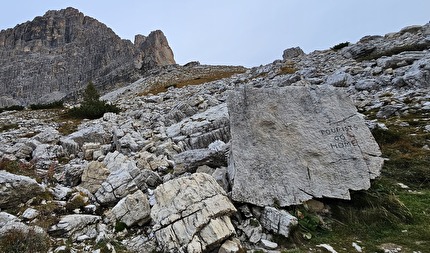
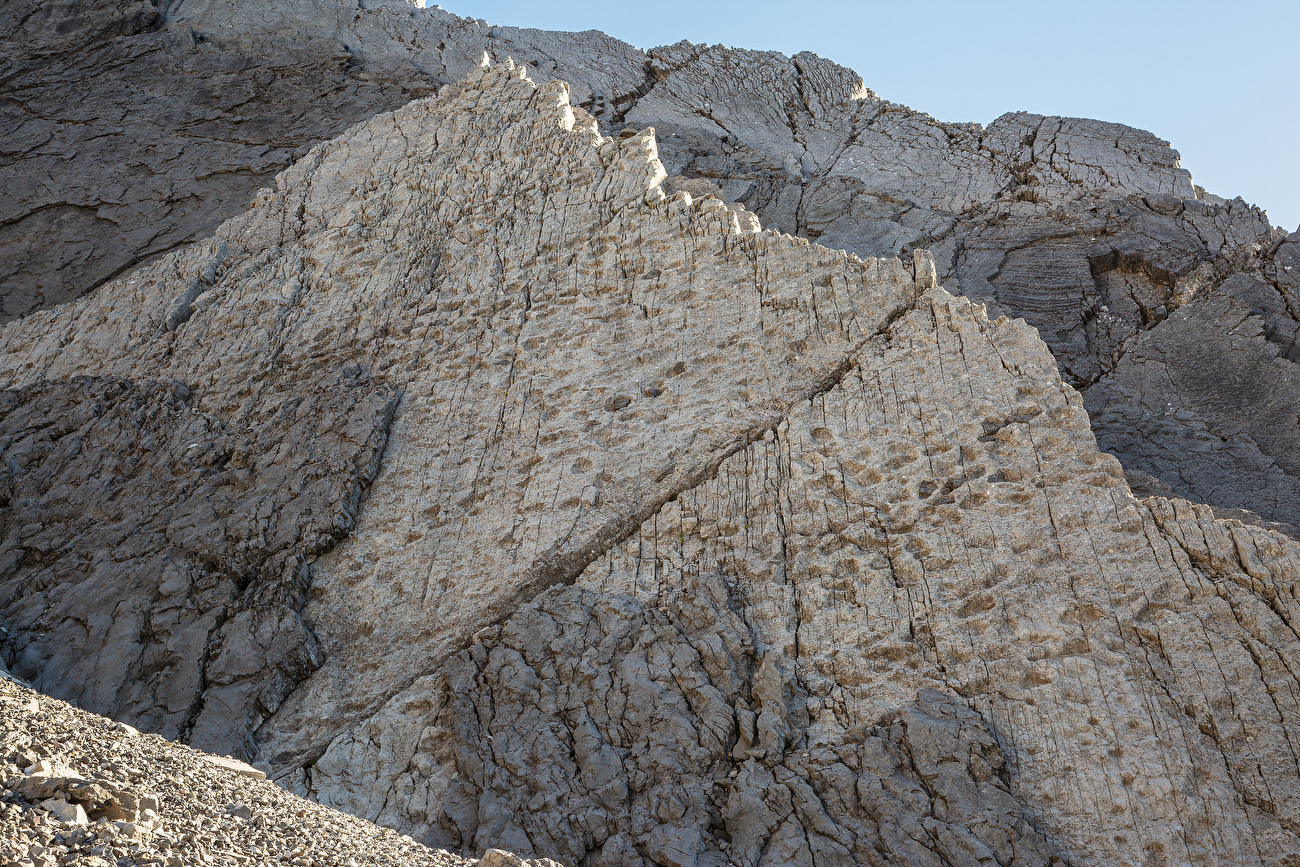
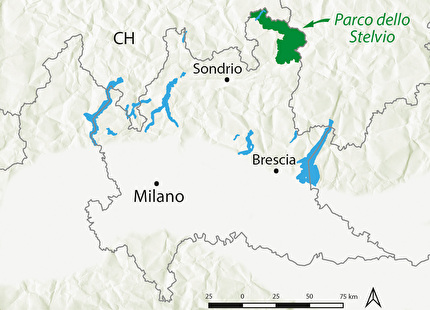
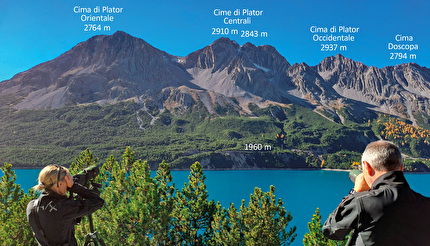
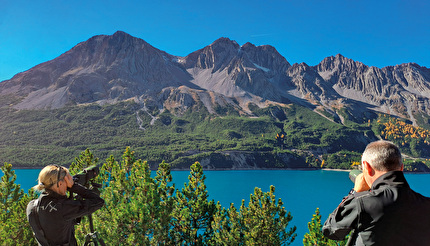
On 14 September 2025 freelance nature photographer Elio Della Ferrera documented the discovery of thousands of dinosaur footprints in the Fraele Valley, in the heart of Stelvio National Park in Norther Italy. Della Ferrera is part of the research team which previously documented the discovery of other dinosaur footprints in Val d'Ambria (Orobic Alps) dating back 280 million years.
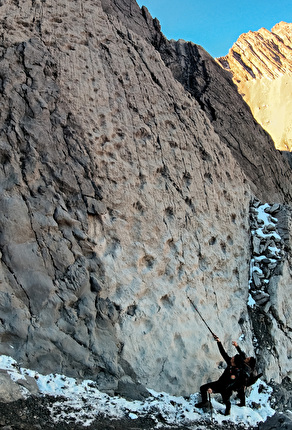
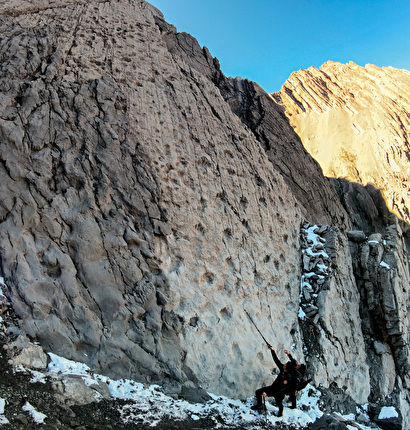
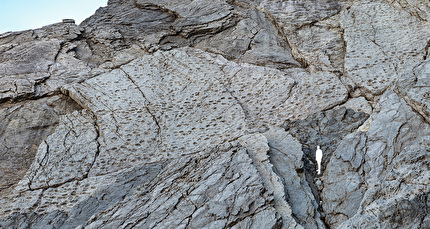
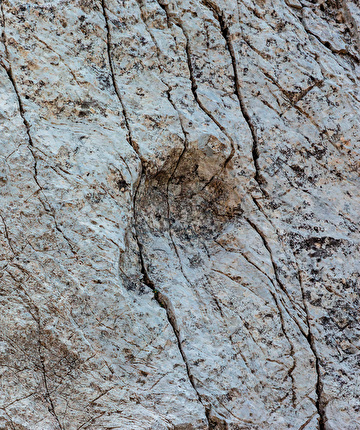
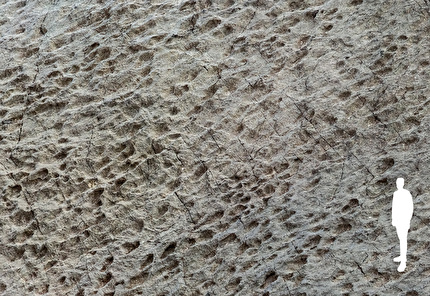
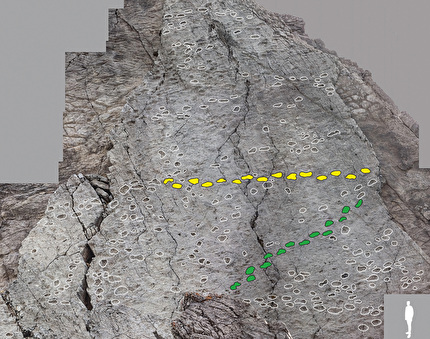
The site in Fraele Valley extends for kilometers and is one of the most important deposits of dinosaur footprints from the Triassic period. The footprints, dating back approximately 210 million years and with diameters reaching up to 40 centimeters, are believed to be evidence of the passage of herds of large herbivores and form tracks hundreds of meters long. They are so well preserved that, in some cases, they show clear traces of toes and claws.
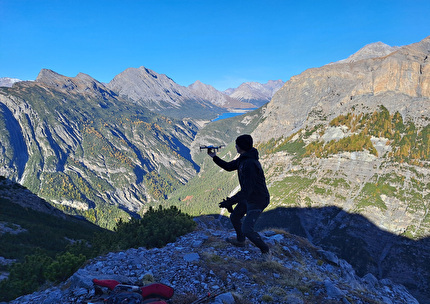
This discovery constitutes a vast scientific heritage that will engage researchers for decades, especially because the area is not easily accessible by trails and will therefore require the use of drones and other surveying technologies.
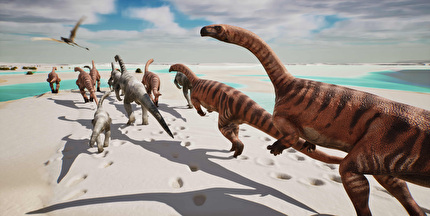
Preliminary investigations began immediately after the discovery, conducted by the Milan Natural History Museum in collaboration with MUSE (Trento Science Museum) and the "Ardito Desio" Department of Earth Sciences at the University of Milan. These initial studies have confirmed that most of the tracks are attributable to herbivorous prosauropod dinosaurs, characterized by long necks and small heads, which could reach up to 10 meters in length and weigh 4 tons. They date back to the Late Triassic and are considered ancestors of the great herbivores of the Jurassic period.
Cristiano Dal Sasso, a paleontologist from the Milan Natural History Museum, stated, "It is a veritable 'valley of the dinosaurs' that stretches for kilometers: it is one of the largest and oldest footprint sites in Italy, and among the most spectacular I've seen in 35 years" Dal Sasso explains that the footprints are "clear evidence of herds moving in synchronized groups, and there are also traces of more complex behaviors, such as groups of animals gathered in a circle, possibly for defense."
News of the discovery was greeted not only with unbridled enthusiasm, but also concern and unease, particularly regarding the way it was reported by various officials and outlets, often linking it to the upcoming Milan-Cortina 2026 Olympics.
The hope is that the valley’s fragile ecosystem, which has endured for millions of years and witnessed the passage of dinosaurs, will survive the enormous influx of visitors that will inevitably follow this fascinating discovery.
 See all photos